
April does not simply arrive; it gathers with quiet intention.
Across continents, cities move to a different rhythm, where faith fills the streets and memory flavors every table.
Easter, at its most enduring, extends far beyond church walls. Instead, it lives in processions, in heirloom recipes, and in rituals passed gently through generations.
Year after year, communities return, keeping traditions older than the cities themselves vividly alive.
Seville: Processions That Rewrite the City
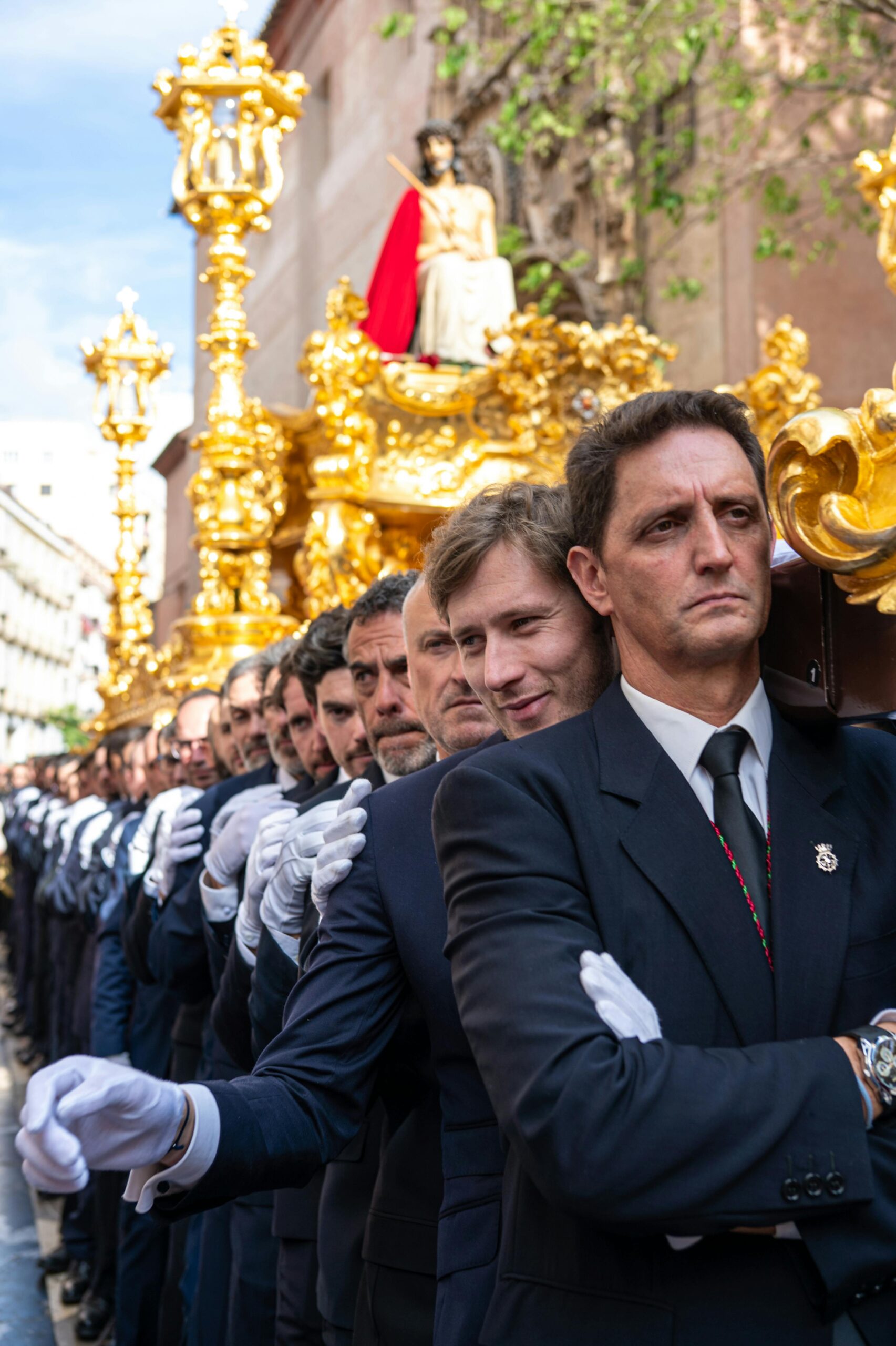
In Spain, Easter does not simply unfold, it moves, breathes, and commands the streets.
Semana Santa stretches far beyond Seville, shaping cities with distinct expressions of devotion. In Seville, processions glide through narrow streets as candlelight flickers against centuries old facades.
Brotherhoods carry towering floats, their immense weight shared in silence and precision. At times, that silence speaks louder than prayer itself.
Elsewhere, the ritual shifts yet remains equally powerful. Málaga introduces a striking military presence, adding ceremonial intensity. Granada’s processions unfold beneath the Alhambra’s shadow. Meanwhile, Valladolid showcases masterful sculptures rich in sacred detail. Zamora turns inward, preserving a solemn and deeply rooted tradition.
Yet beyond spectacle, a quieter truth endures. Families return each year, reclaiming the same corners and traditions. Children inherit routes, rituals, and the enduring weight of devotion.
Florence: Where Fire Meets Faith
In Florence, Easter arrives with a spark, then an explosion. The centuries-old Scoppio del Carro sees a decorated cart ignited before the Duomo, sending fireworks into the sky in a ritual that blends medieval pageantry with religious symbolism. It is theatrical, precise, and deeply rooted in Florentine identity.
But the celebration does not end in the square. It continues at the table.
Families gather over colomba di Pasqua, a dove-shaped cake symbolizing peace and resurrection. Its soft sweetness offers contrast to the morning’s spectacle, a quieter, edible form of tradition.
A Bun That Crossed Borders: Easter’s Most Enduring Bread
What began in St Albans as a simple act of charity, a monk baking and distributing spiced buns marked with a cross, has long outgrown its medieval origins.
Today, the hot cross bun travels far beyond England, appearing each spring in bakeries across United Kingdom, Australia, New Zealand, and South Africa, a quiet culinary thread woven through the legacy of the British diaspora.
Wherever it is baked, its symbolism remains intact. The cross recalls the crucifixion. Meanwhile, the once-rare spices signal a return to abundance, marking the end of Lent’s restraint.
And yet, like all living traditions, it evolves.
In London, the bun leans artisanal, laced with citrus peel and slow fermentation. In Melbourne, it might appear reimagined with chocolate or native ingredients. Elsewhere, it is glazed, enriched, or subtly adapted to local taste.
Still, beneath every variation lies the same intention. Eating a hot cross bun invites you into a ritual that crosses borders and centuries. Its soft, fragrant warmth reflects Easter itself, deeply rooted, yet constantly evolving across cultures.
Cover Photo courtessy: Pexels/ Paolo Sbalzer