
For the first time in half a century, humans have journeyed to the Moon and returned safely home.
NASA’s Artemis program signals a bold return to deep space, reaching far beyond lunar horizons.
Named after Apollo’s mythological twin, it carries both legacy and a future yet unwritten.
This is exploration renewed, measured, deliberate, and charged with quiet audacity.
The Artemis Journey — Mission Timeline
Nov 2022
Artemis I — Uncrewed Test Flight
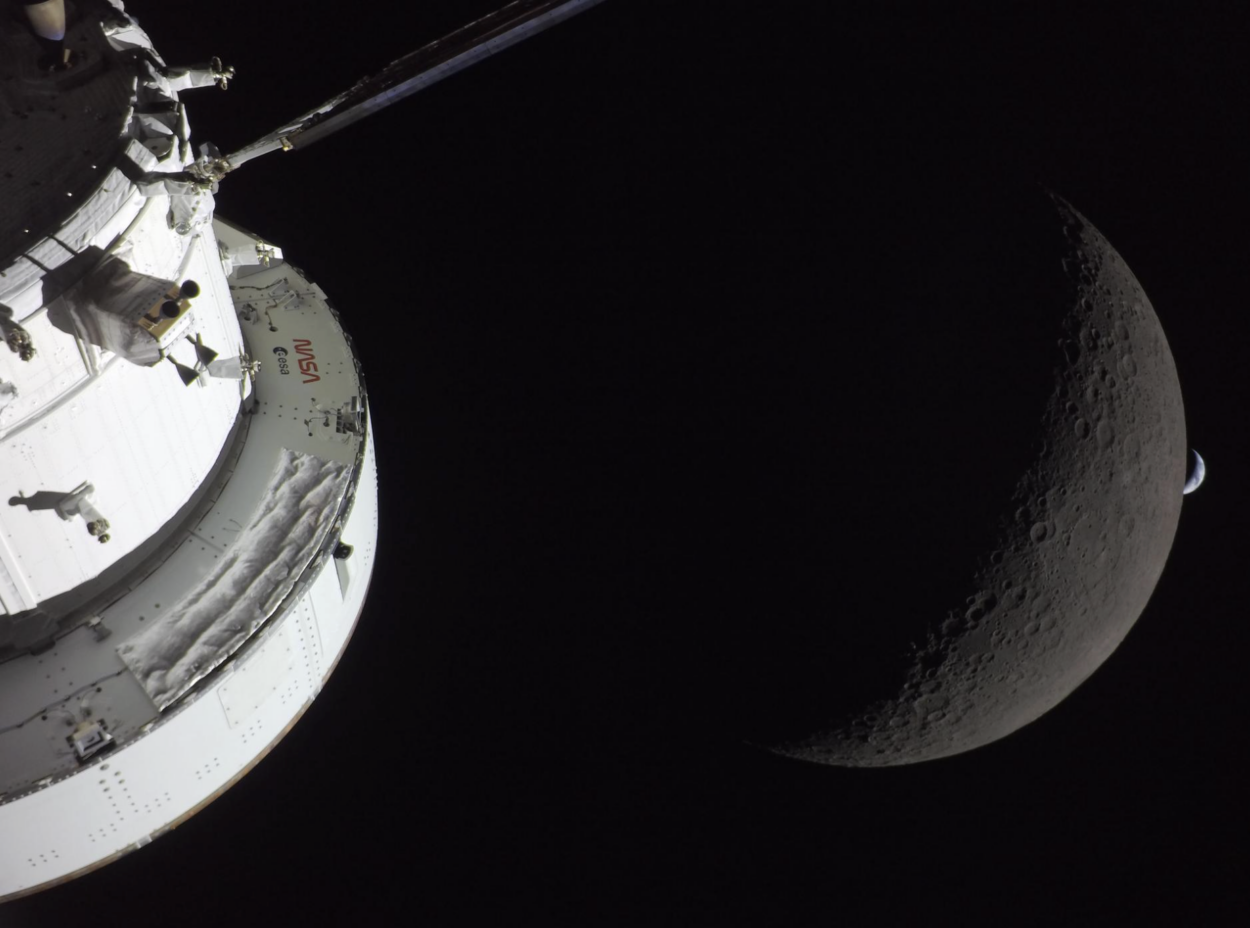
NASA launched the SLS rocket for the first time, sending an uncrewed Orion spacecraft on a 25-day journey around the Moon and back. The mission validated the rocket, capsule, and ground systems before putting humans aboard.
April 3, 2023
Crew Announced
NASA Administrator Bill Nelson revealed the four-person Artemis II crew: Reid Wiseman, Victor Glover, Christina Koch, and Jeremy Hansen, a historic lineup featuring firsts for women, people of color, and international partners.
April 1, 2026 — 6:35 PM EDT
Launch — “Integrity” Lifts Off
The Orion spacecraft, named Integrity, lifted off from Launch Pad 39B at Kennedy Space Center atop the SLS rocket. The four astronauts became the first humans to travel toward the Moon since Apollo 17 in December 1972.
April 6, 2026
Historic Lunar Flyby
After a five-day transit, the crew completed a seven-hour lunar flyby, the closest humans had come to the Moon in over 50 years. The crew photographed the lunar surface and named two craters, including one honoring Commander Wiseman’s late wife, Carroll.
April 10, 2026 — 8:07 PM EDT
Splashdown in the Pacific Ocean
Orion re-entered Earth’s atmosphere and splashed down off the coast of California. The capsule was recovered by USS John P. Murtha, successfully completing the ~10-day mission. All four crew members were in good health.
April 11, 2026
Heroes Return to Houston
The crew arrived at Ellington Field at Johnson Space Center in Houston to a standing ovation, reuniting with their families and receiving a hero’s welcome. NASA Administrator Jared Isaacman called it “the greatest adventure in human history.”
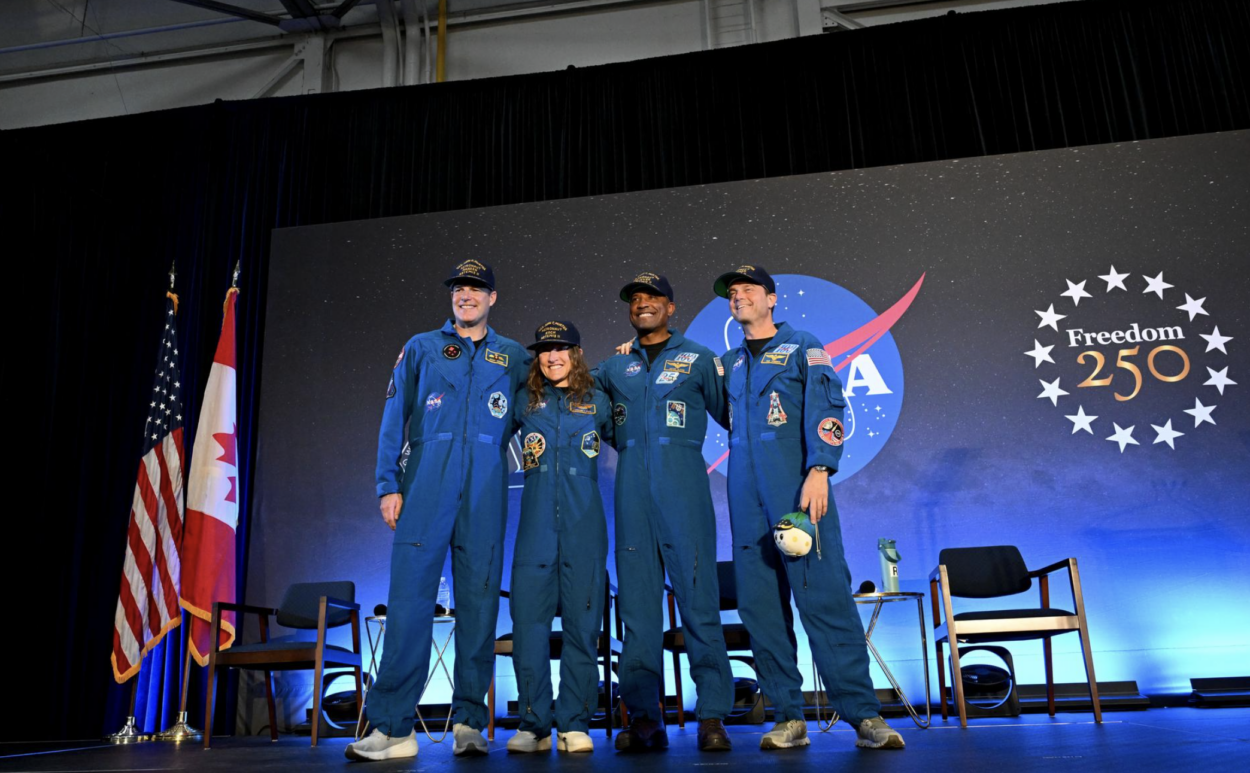
Credit: NASA/Helen Arase Vargas
The Crew Who Redefined the Horizon
Four astronauts reshaped the narrative of who journeys into deep space.
Commander Reid Wiseman became the oldest to orbit the Moon. Victor Glover became the first person of color to do so. Christina Koch became the first woman to reach this distance. Jeremy Hansen became the first non American in lunar orbit.
Together, they moved as one, disciplined, deliberate, and bound by shared purpose. As Koch reflected, a crew advances in quiet sacrifice, each step taken in unison.
The Road Ahead
This mission was never about landing, it was about proving the path forward. Each system tested, each orbit traced, builds confidence for deeper journeys. Artemis III will refine docking and lander systems in Earth orbit by 2027. A true lunar landing now shifts to Artemis IV, anticipated around 2028.
A Return That Feels Like a Beginning
After fifty years, the Moon feels close again, no longer distant, but waiting. Artemis does not simply revisit history; it extends it into something profoundly new. Beyond the lunar surface lies a wider ambition, where Mars waits as the next horizon.
Cover story:
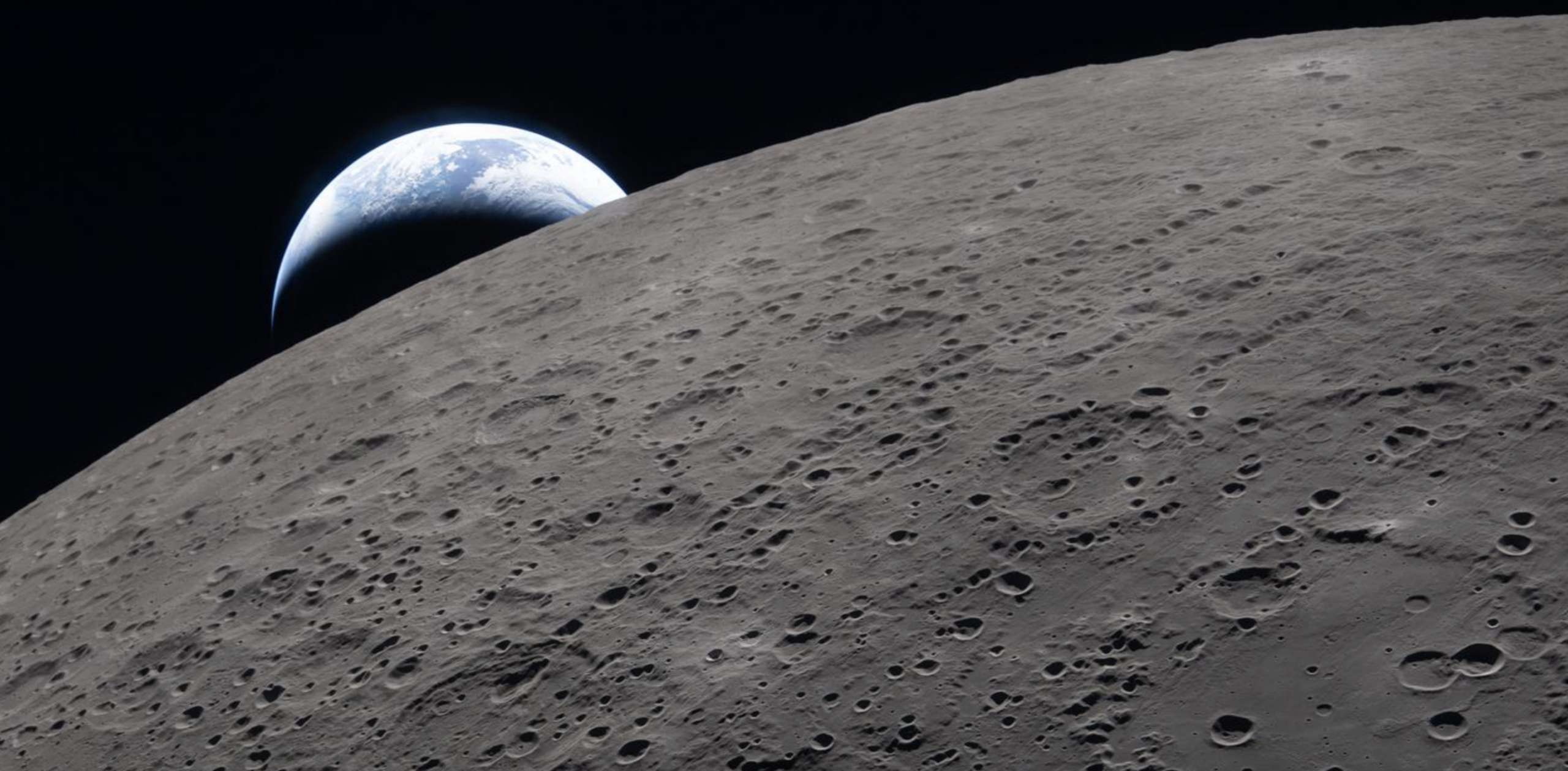
Cover image credit/NASA. The lunar surface appears in striking detail during the Artemis II flyby, with a distant Earth suspended beyond. Captured at 6:41 p.m. EDT on April 6, 2026, just minutes before Orion slipped behind the Moon, the image marks a brief loss of contact lasting forty minutes. In the background, Earth turns in quiet contrast, one side in darkness, the other illuminated, with clouds drifting above Australia and Oceania.