From Marbella’s padel courts to Monaco’s hairpin turn, how the leading hotels for every major sport actually stack up.
Hotels used to advertise a view of the game. Now, several rival properties compete to put guests inside it. Padel courts, championship fairways, and stadium proximity have become genuine differentiators, not amenities. But not every option suits every traveler, and not every claim holds up equally. Some resorts trade on decades of sporting pedigree. Others bet on fresh design, sheer convenience, or simple novelty instead. Below, six categories of sporting hotel, with real alternatives and real trade-offs weighed against each other.
Padel and Racquet Clubs: From Marbella’s Golden Mile to the Arabian Gulf
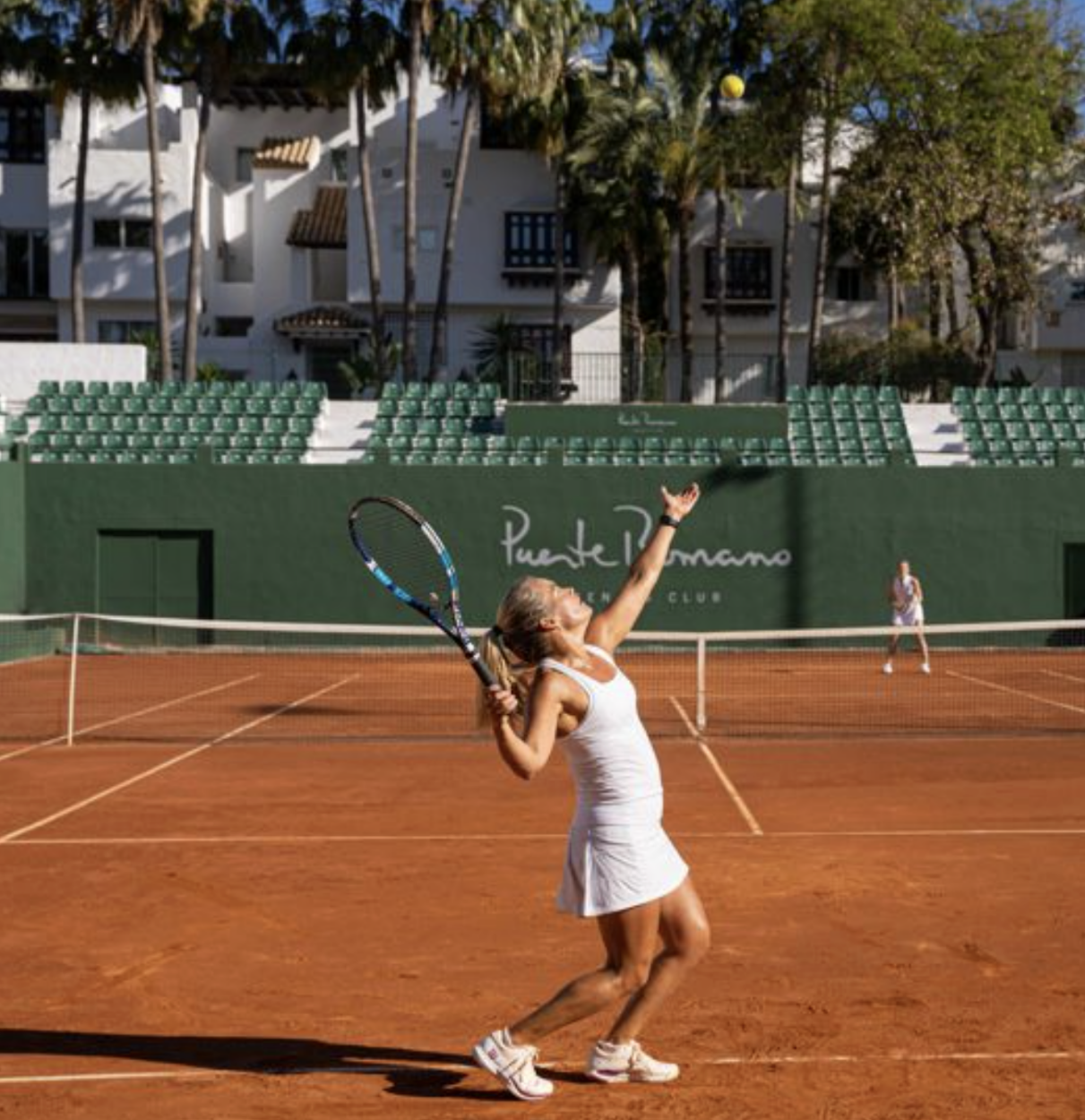
Marbella remains ground zero for resort padel, though its hotels take different approaches. Puente Romano Beach Resort built its name on tennis first, not padel. Björn Borg founded the club in 1979; Manolo Santana ran it from 1983. Boris Becker, John McEnroe, and Novak Djokovic have all played its clay. Padel arrived later; four courts now sit between the tennis lawns and the sea. The atmosphere here trades on legend: more than twenty restaurants, a starry crowd, decades of history.
For something quieter, skip Spain altogether and try Adare Manor in Ireland. This 2027 Ryder Cup host added an indoor Padel Club beside its golf course and Michelin-starred kitchen. Weather rarely interrupts play, since the courts sit fully under cover. The three properties reveal padel’s range: beachfront glamour, boutique reinvention, and a country estate built around golf.
Padel’s spread doesn’t stop in Europe, though. Four Seasons Resort Dubai at Jumeirah Beach built its court steps from the sand. Players face the Arabian Gulf rather than the Mediterranean here. Coaching comes courtesy of Peter Burwash International, the same outfit behind many resort programs worldwide. The setting trades Marbella’s history for beachfront convenience and near constant sunshine.
Sandy Lane, in Barbados, takes padel somewhere entirely different again. Four floodlit courts sit on the property, the only dedicated padel courts on the island. Coaches run lessons for guests still learning the sport’s rules. Where Dubai bets on scale, Sandy Lane bets on rarity: padel as a Caribbean exclusive. Five very different properties, one shared bet: padel keeps growing as a five-star amenity.
Wimbledon: The Manor House Close to SW19, or Mayfair From a Distance
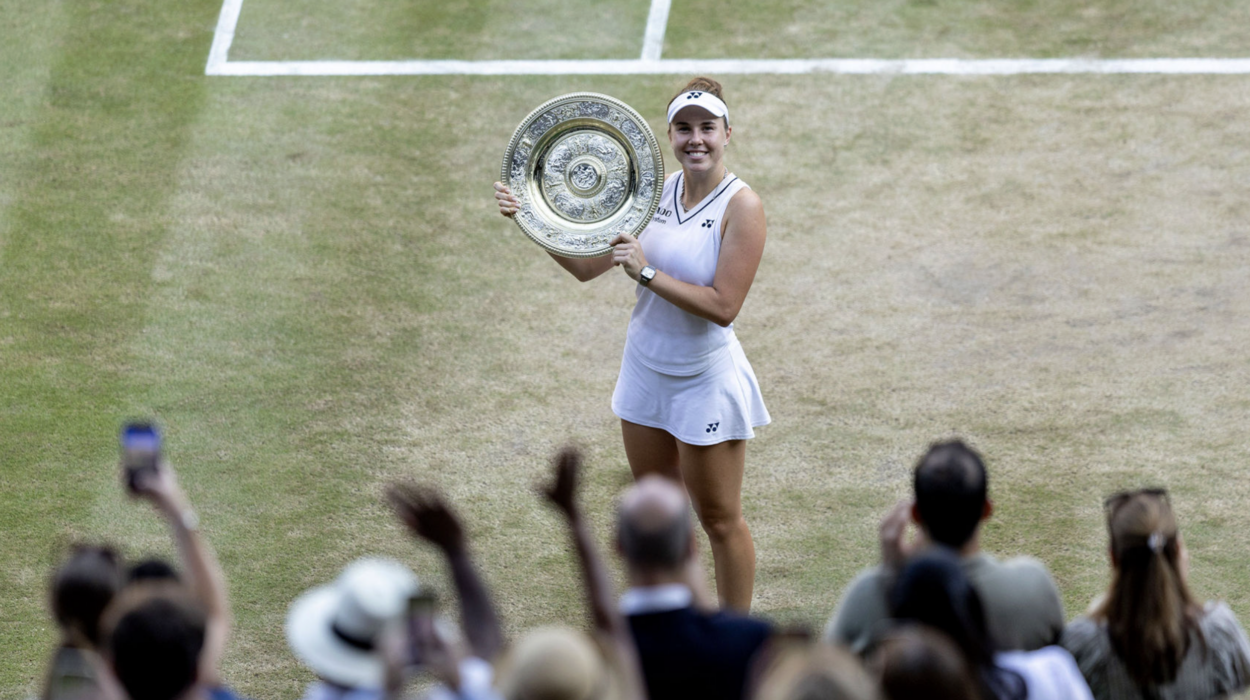
Every summer, Wimbledon turns SW19 into tennis’s most tradition bound stage. Cannizaro House sits closest, a Georgian manor dating to 1705 on Wimbledon Common. Guests walk roughly twenty minutes through parkland to reach the All England Club gates. InterContinental London Park Lane takes the opposite approach, embracing Wimbledon from a distance instead. It sits in Mayfair, roughly eight miles from Centre Court itself, with no view of the grass. Guests won’t walk to a single match, but the hotel leans in anyway. It runs a Wimbledon themed afternoon tea throughout the tournament fortnight each year. The trade off mirrors the rest of this guide: proximity and quiet versus energy and convenience elsewhere in the city.
Golf Resorts: Scotland’s Two Faces, Spain’s Match-Play Stage, and California’s 18th Green
Fairmont St Andrews sits minutes from the Old Course, golf’s birthplace since the 1400s. Its own two courses, the Torrance and the Kittocks, hold their own nearby. Sam Torrance and Gene Sarazen carved the Torrance layout from old farmland. The Kittocks clings to cliffs above the North Sea instead. The weather, though, stays properly Scottish, with wind and rain that suit true links golf.
Finca Cortesin, in southern Spain, offers a warmer trade-off. Its championship course hosted the Volvo World Match Play three times and the 2023 Solheim Cup. The Jack Nicklaus Academy sits on-site for guests chasing swing fixes. Beyond golf, the resort adds tennis and padel courts, plus a sprawling beach club. Where St Andrews sells history, Finca Cortesin sells year-round sunshine and championship pedigree of its own.
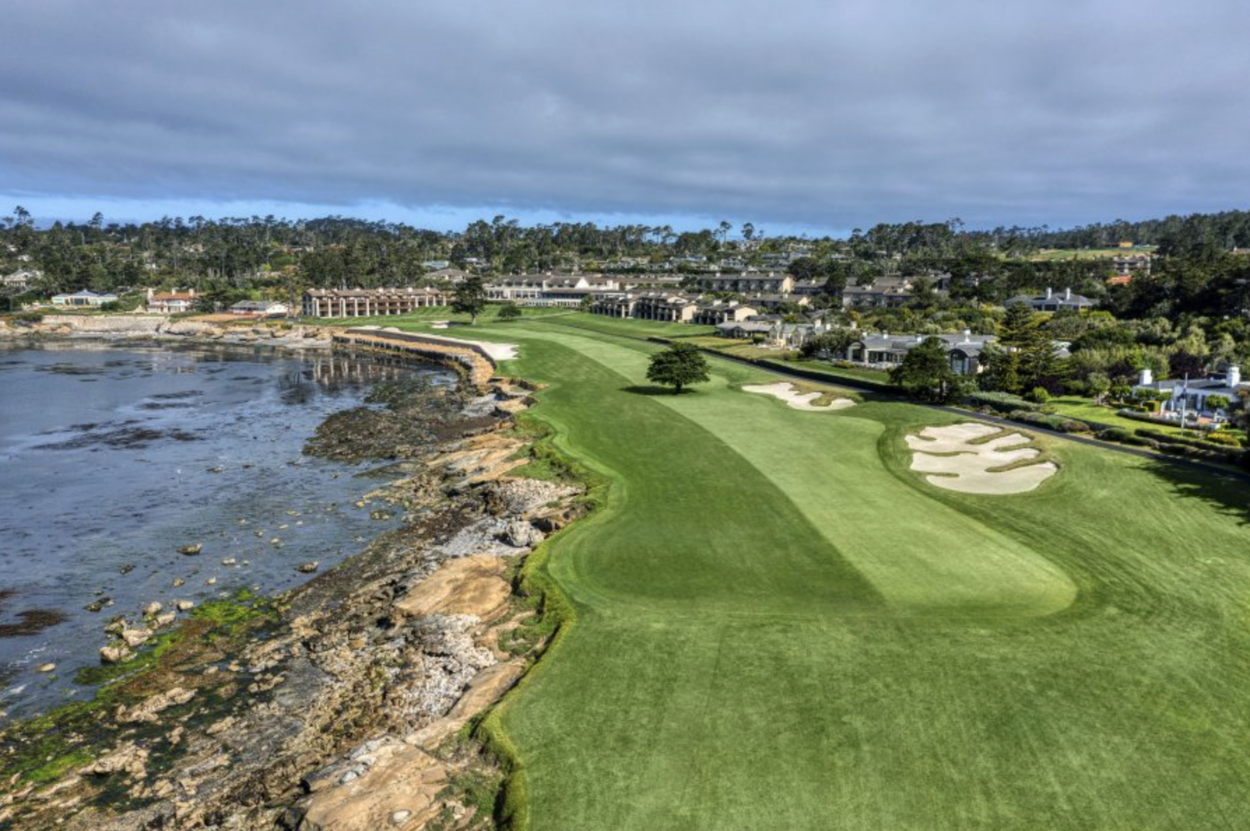
The Lodge at Pebble Beach takes a third approach altogether. It has stood beside the 18th green of Pebble Beach Golf Links since 1919. Six U.S. Opens have finished there, with a seventh arriving in 2027. The AT&T Pebble Beach Pro-Am has run every February since 1947. Non-golfers get a 12-court tennis club and cliff-top ocean views instead. Each resort rewards a different kind of golfer: the purist, the competitor, or the Pacific Coast romantic.
Roland Garros: The Sports First Choice vs. the Palace and Chateau Alternatives
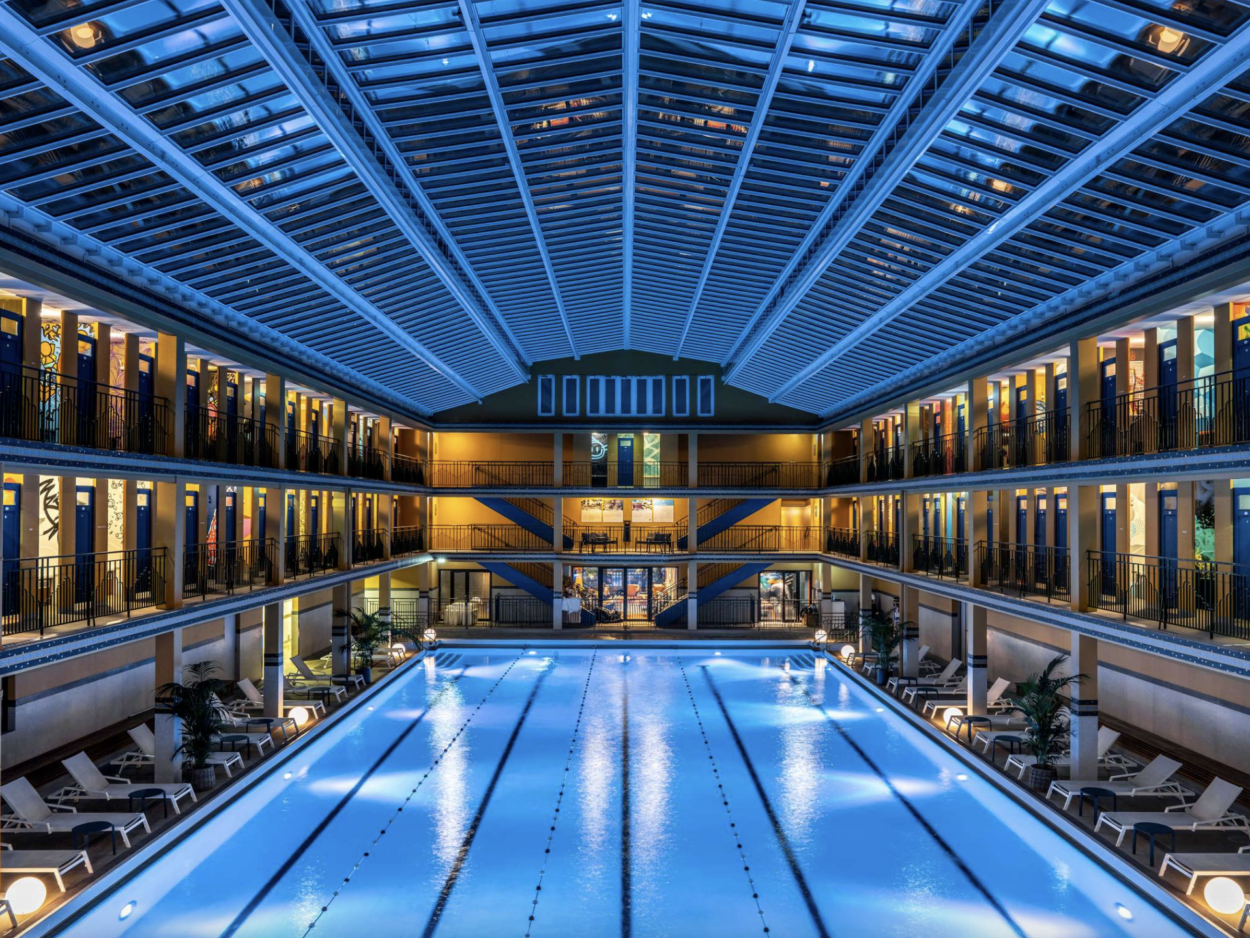
Every May, Roland Garros turns Paris’s 16th arrondissement into tennis’s epicenter. Hotel Molitor sits closest to the action, just 700 meters from the gates. The building itself began as a 1929 Art Deco swimming pavilion. It hosted events during the 1924 Olympics and later introduced the modern bikini in 1946. Two heated pools, indoor and outdoor, still anchor the property today. Rates run lower than Paris’s grand palace hotels, which is the real draw here.
Shangri-La Paris sits a short distance north, inside a former royal residence. Prince Roland Bonaparte once lived in the building, now a Historic Monument. Nearly half its rooms frame direct views of the Eiffel Tower. The trade-off: guests walk or taxi roughly twenty minutes to reach the courts.
The Peninsula Paris splits the difference between sport and spectacle. It sits in the same 16th arrondissement, closer to the Arc de Triomphe than to clay courts. Its rooftop restaurant frames the Eiffel Tower rather than Roland Garros itself.
Saint James Paris pulls furthest from the action, and makes no apology for it. This is the only true chateau-hotel inside Paris proper, tucked behind private gardens. Guests reach Roland Garros by taxi, not on foot, unlike at Molitor. In exchange, they get a Michelin-starred table and near-total quiet in a busy city. Guests chasing tennis convenience should choose Molitor; guests chasing Parisian grandeur should choose the rest.
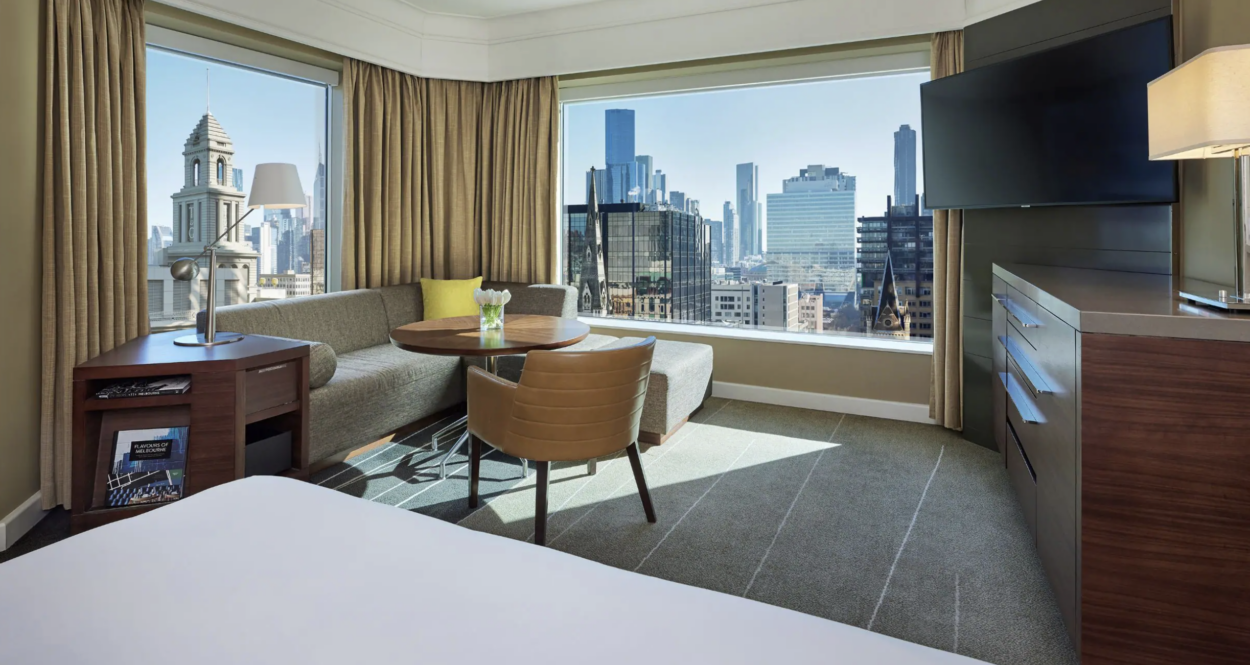
Melbourne: Four Hotels With Their Own Tennis Courts, Plus Two That Skip the Gimmick
Every January, the Australian Open turns Melbourne Park into a global stage. Three nearby hotels answer with a rare feature: private tennis courts of their own.
Grand Hyatt Melbourne keeps its court on the ninth floor, inside the City Club fitness center. Guests can rally beneath the skyline, just 850 meters from Rod Laver Arena. The setting suits fans who want proximity without sacrificing five-star polish.
Crown Towers Melbourne offers a similar rooftop court across the Yarra River. Past guests have shared it with tennis legend Mats Wilander during private sessions. Crown sits slightly farther from Melbourne Park but closer to the casino district’s nightlife.
The Langham Melbourne skips the private court but wins on service and reviews. It sits roughly a fifteen-minute walk from Rod Laver Arena instead. Reviewers consistently rate it above the court-equipped hotels nearby. For fans who’d rather leave the racket at home, that trade off might make sense.
Dorsett Melbourne takes yet another approach: value over both court and prestige. It sits on the CBD’s edge, close to Docklands and Melbourne Park. Indoor pool, spa, and an on site bar cover the basics without inflating the price. It won’t impress like the Langham, and it has no court like the other three. For budget minded fans, though, the location alone earns its keep. Between all five, the choice comes down to priorities: play tennis, watch it well, or simply spend less.
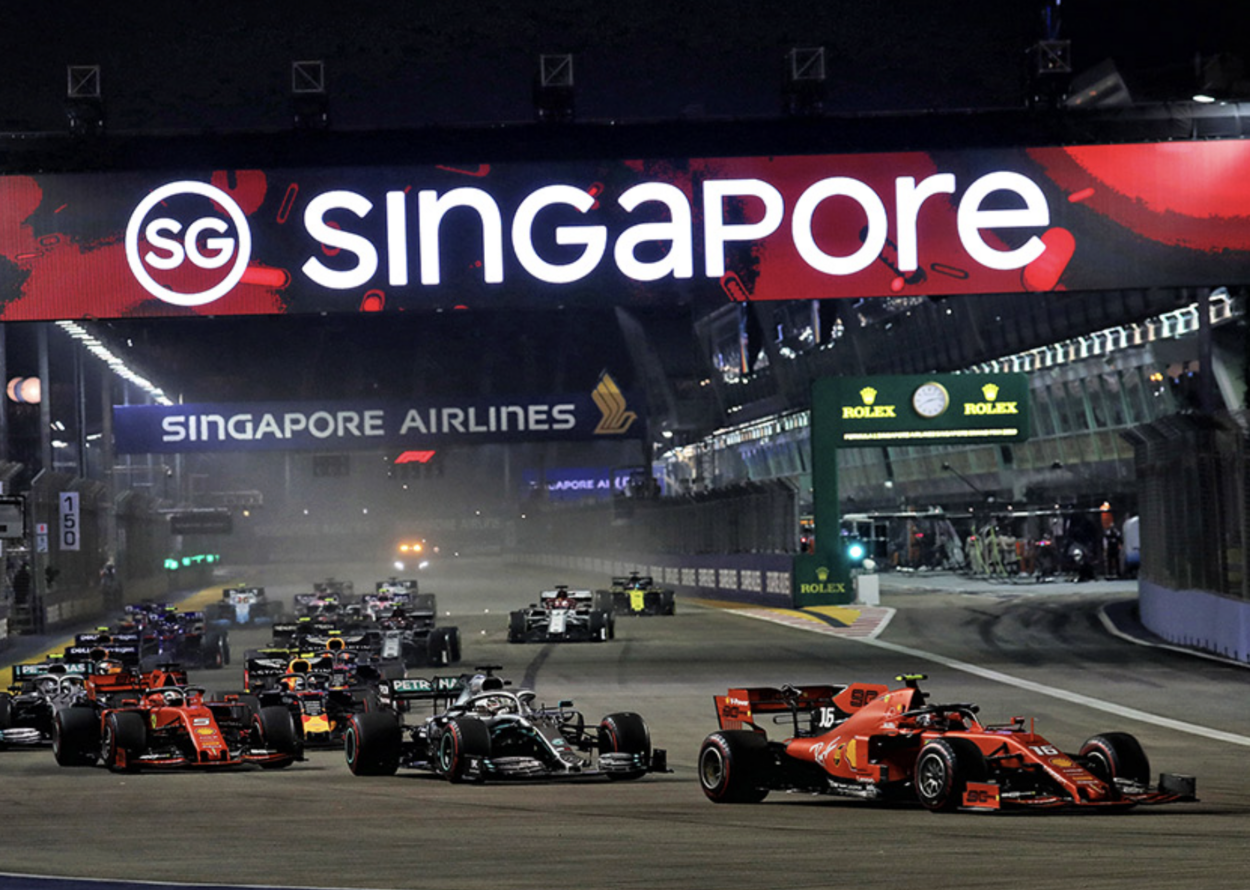
Track-Side Stays: F1’s Singapore, Monaco, and Melbourne Circuits
Formula 1 turns three very different cities into circuits each year, and the hotels react differently. In Singapore, night racing wraps entirely around Marina Bay. Marina Bay Sands anchors the scene, though its own rooms rarely offer a clear view. The real payoff sits upstairs, at the SkyPark deck or the rooftop infinity pool. The Ritz-Carlton Millenia sits closer to the pit building itself. F1 teams reportedly favor it, and harbor-facing rooms overlook turns eighteen through twenty. The Fullerton Hotel takes a different tack entirely, trading modern views for colonial-era history. The building dates to 1928, when it served as the city’s General Post Office, and it sits five minutes from the grandstands today.
Monaco flips the formula: here, the hotels are the circuit. Fairmont Monte Carlo wraps directly around the hairpin, the slowest corner in Formula 1. Rooms with hairpin views book out years ahead, especially the private VIP suites. Hotel de Paris takes the opposite corner instead, overlooking Casino Square. Cars pass just meters from its Belle Époque façade, between the casino and the Café de Paris. A three-Michelin-starred restaurant sits inside, for anyone who needs a break from the noise.
Melbourne’s Albert Park circuit takes a gentler approach, wrapping a public park rather than city streets. Pullman Melbourne Albert Park sits closest, an easy walk from the main gates. Even so, F1 teams and their staff quietly lock up the closest rooms years in advance. Fans without those connections mostly stay in the CBD or Southbank instead, riding free race weekend trams to the track. Three circuits, three completely different hotel strategies: submerge yourself, live inside the corner, or commute in on a tram.
New York After the Final Whistle
Spain beat Argentina 1-0 in extra time on July 19, 2026. Ferran Torres settled it in the 106th minute, and Spain lifted a second World Cup. FIFA called the venue New York New Jersey Stadium throughout the tournament. Normally, though, it goes by MetLife Stadium, home to the NFL’s Giants and Jets. The stadium also hosted Super Bowl XLVIII in 2014 and the Copa América Centenario final in 2016. Located in East Rutherford, it sits about eight miles from Manhattan. That distance shaped hotel choices for fans well before kickoff.
Luxury travelers spread across five hotels this July. Aman New York, The St. Regis, Mandarin Oriental, The Plaza, and Four Seasons Downtown each drew guests. Each balanced luxury, neighborhood character, and transit access differently. The New York Marriott Marquis, in Times Square, offered another route entirely. Its position near Penn Station and Port Authority Bus Terminal gave easy access to trains and buses alike. Alternatively, The George in Montclair put guests closer to the stadium itself, trading Manhattan energy for shorter travel time.
The Bottom Line
No single hotel wins across every category here; the right pick depends on priorities. Chase pedigree, and Puente Romano, Gleneagles, or Pebble Beach deliver decades of sporting history. Chase proximity, and Molitor or Melbourne’s court-equipped hotels cut travel time dramatically. Chase novelty, and newer entrants like Los Monteros, Adare Manor, or Four Seasons Dubai offer something different. Chase quiet, and Saint James Paris or The George in Montclair step away from the crowds entirely. Chase spectacle, and Monaco’s Fairmont Hairpin or Hotel de Paris put the race outside the window. None of this comes cheap, and none of it guarantees a good match. Whatever the sport, the smart move stays the same: book early, and manage expectations.