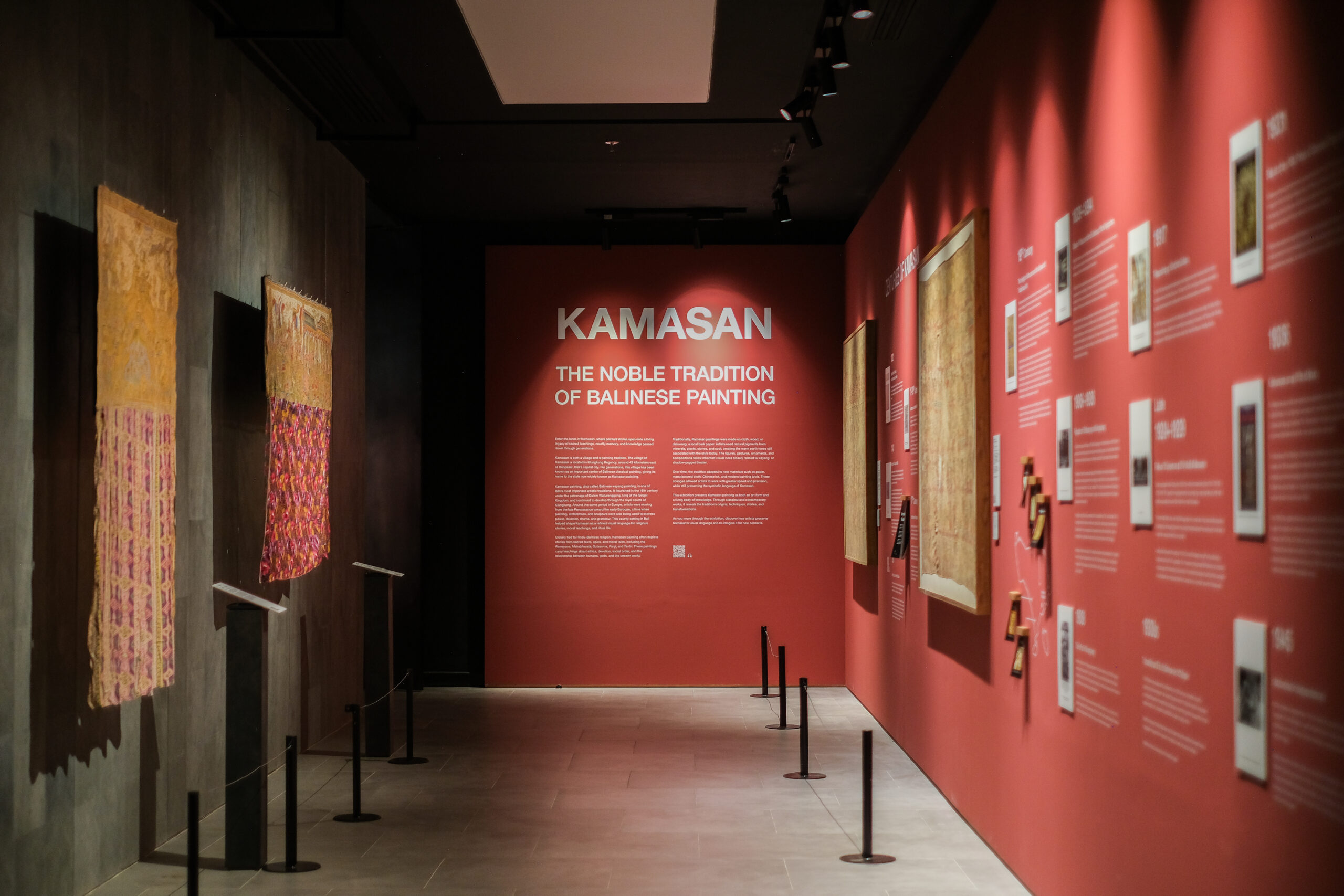
KAMASAN: The Noble Tradition of Balinese Painting unfolds at SAKA Museum, AYANA Bali. The exhibition traces this enduring art form from the late 19th century onward. Meanwhile, more than 30 classical and contemporary works reveal how this distinctive Balinese art form continues to evolve. Running from 28 August 2026 to 30 May 2027, the exhibition presents more than 30 classical and contemporary works. Together, they reveal how Kamasan continues to evolve while preserving its cultural roots, visual language and storytelling traditions. It explores how ritual, inherited knowledge, women artists, and new generations continue to shape this important Balinese art tradition.
Named after Kamasan village in Klungkung, the style developed under the 16th-century Gelgel court and later flourished in the palaces of Klungkung. Closely connected to Balinese-Hindu beliefs, Kamasan painting draws from the Ramayana, Mahabharata, mythology, folklore, and cosmology. Its figures are recognized through elongated forms, almond-shaped eyes, detailed patterns, and connections to wayang kulit, or Balinese shadow puppetry. Kamasan was recognized as Indonesian Intangible Cultural Heritage in 2015.
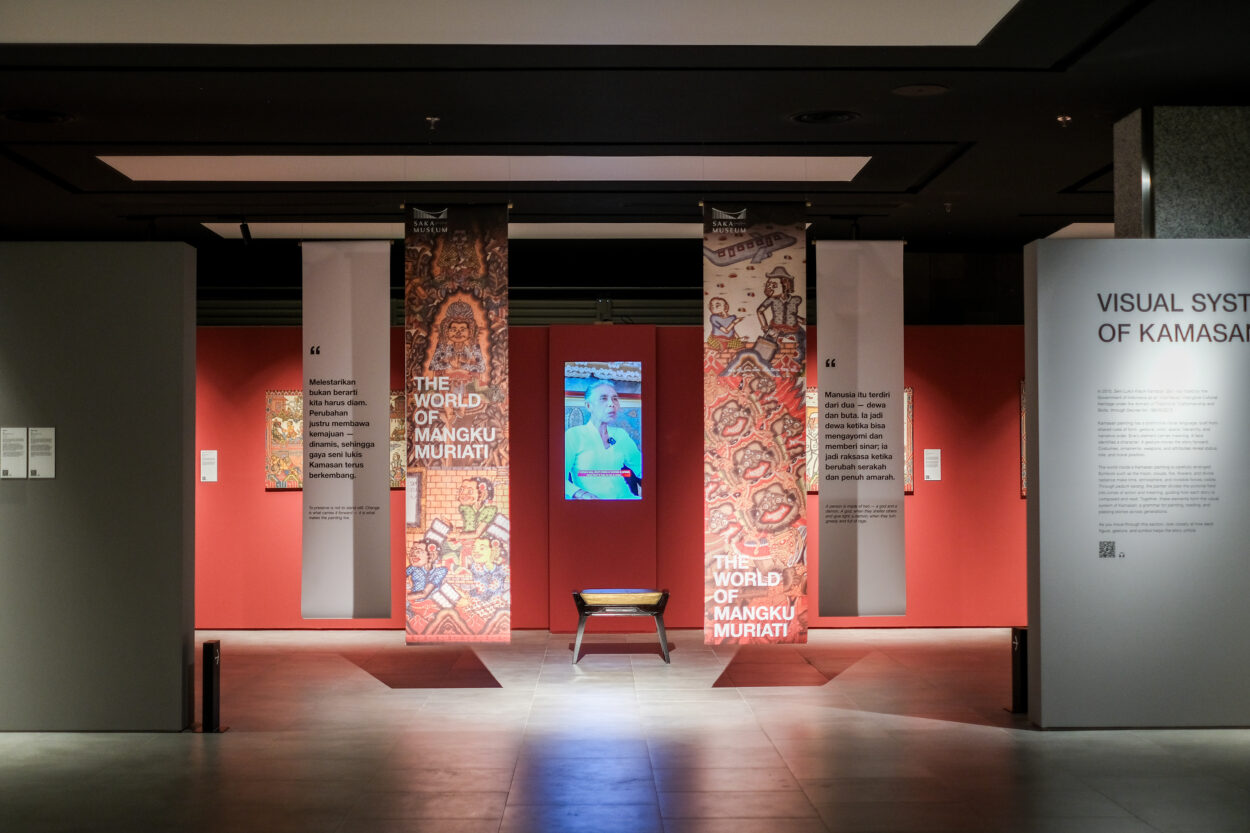
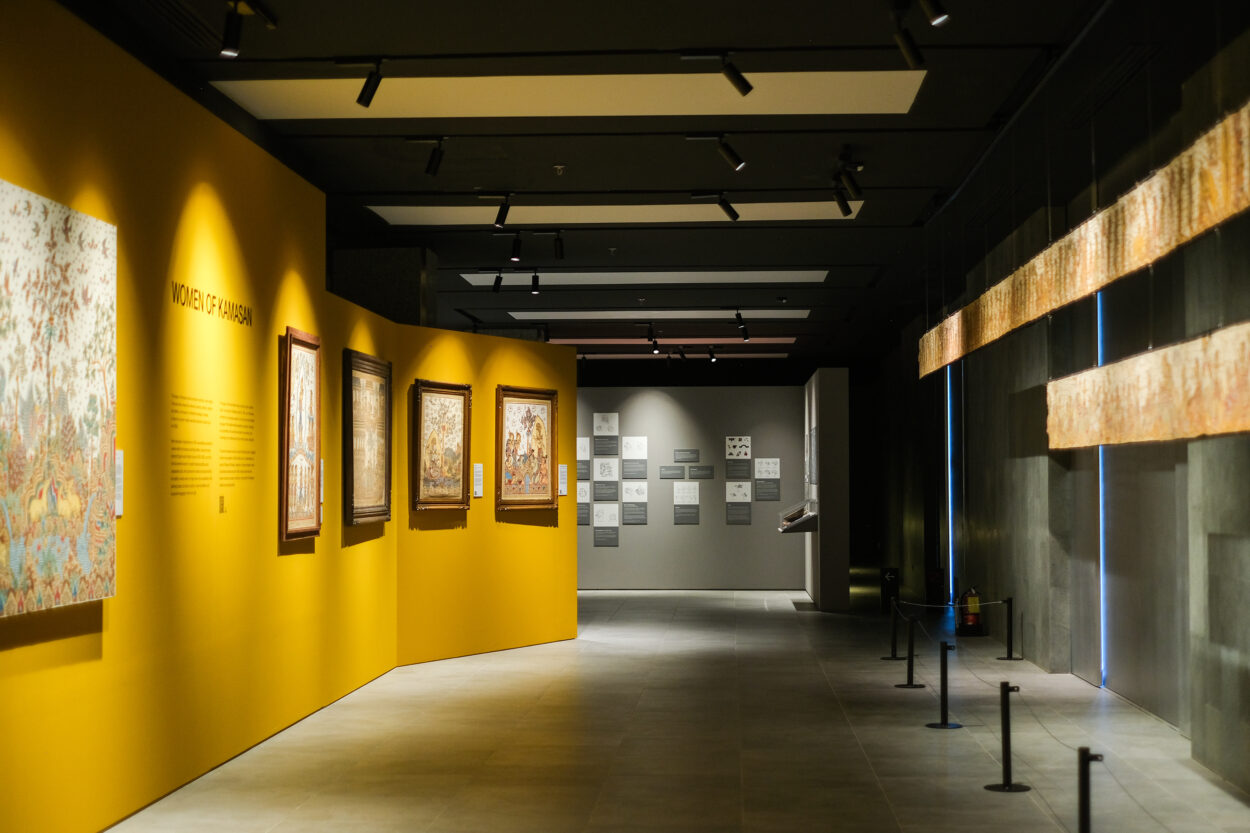
Curated by Farah Wardani and Made Chandra, the exhibition unfolds Kamasan through several distinct chapters. It explores historical roots, master painters, women artists, and contemporary interpretations of the tradition. Meanwhile, ritual cloths, palm-leaf works, an astrological calendar, and family paintings reveal its rich visual heritage. Alongside them, younger artists examine identity, ecology, technology, spirituality, and memories of the pandemic. Together, these works show how an inherited visual language can evolve while remaining deeply connected to its origins.
From the Masters to the Current Moment
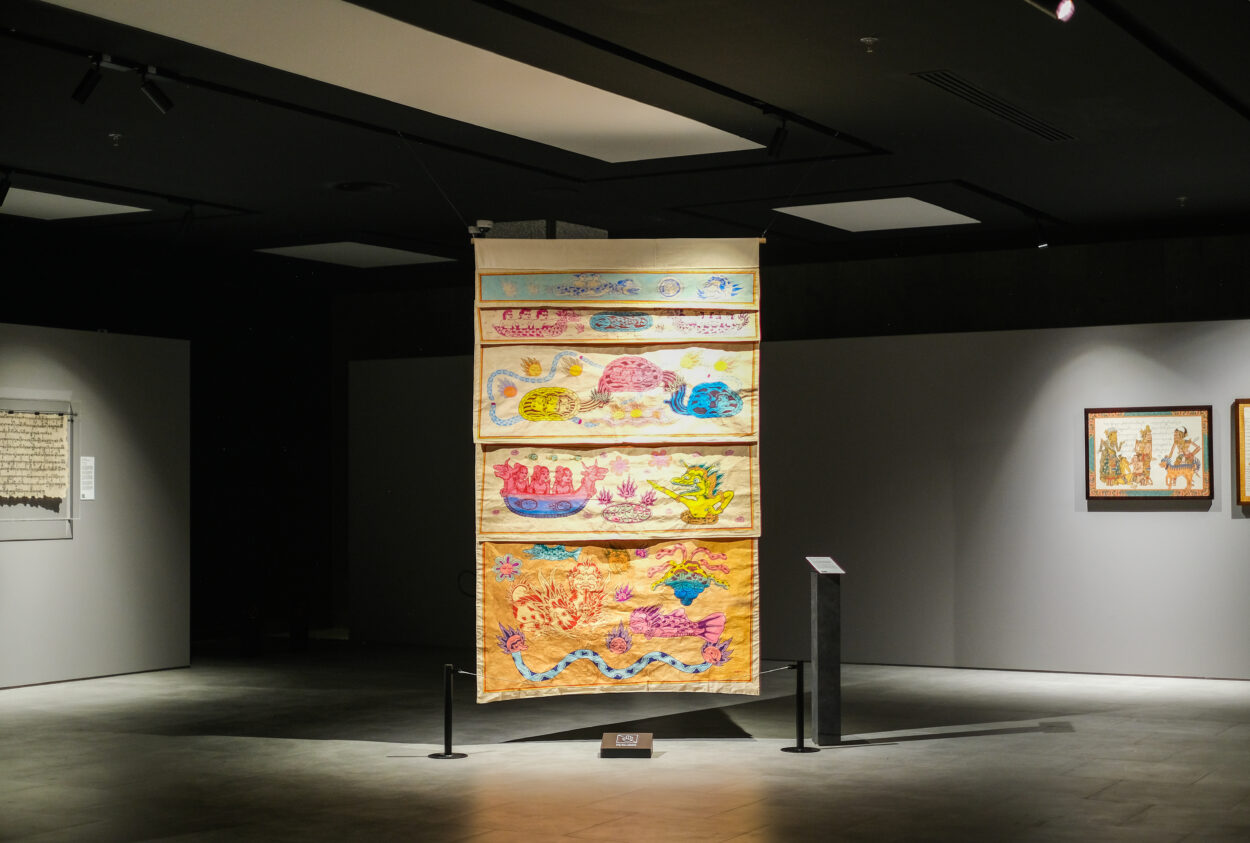
KAMASAN: The Noble Tradition of Balinese Painting brings together more than 30 artworks. The artworks including including classical ritual cloths, palm-leaf works, a Palelintangan astrological calendar. Also, paintings by Kamasan masters entrusted by their families and descendants to SAKA Museum.
A special closing chapter highlights Mangku Muriati, a leading Kamasan artist and temple priest. Her work reflects the continuing role of women in sustaining and developing the tradition. Throughout the exhibition, SAKA Museum will also host artist and curator talks, workshops, children’s activities, and public programs. KAMASAN: The Noble Tradition of Balinese Painting is open daily from 10:00 to 18:00 at SAKA Museum, AYANA Bali, Jimbaran.